
Drainage and Soakaways
Drainage contractors for soakaways and SuDS in Colchester
Surface and foul water drainage for driveways, extensions and new builds, including tested soakaways, channels and permeable paving systems.
The approach
Drainage must be designed around where water can safely go.
Drainage is not one system. Foul water from kitchens and bathrooms must reach an appropriate sewer or private treatment arrangement, while surface water from roofs and paving should be managed separately. Mixing the two without an approved design creates capacity, pollution and compliance problems.
We install drainage as part of substantial driveway, extension and new-build projects. That includes levels, channels, inspection chambers, service crossings, soakaways and permeable paving. We do not advertise emergency unblocking or CCTV drain surveys; our work is planned construction and replacement drainage.
A useful drainage enquiry describes the symptom and planned development without assuming the remedy. Standing water may come from poor falls, compacted ground, a blocked outlet or inadequate storage, while a new roof needs a calculated destination rather than a channel alone. Available drainage drawings, planning conditions and photographs help the first review. Investigation and testing are agreed where needed, after which the itemised quotation identifies excavation, pipework, chambers, storage, connections, testing and reinstatement.
For lawns and beds that never dry, read our guide to french drains for waterlogged gardens.
Specialist drainage services
This page is the overview. For the detail of testing, sizing and building a soakaway, see soakaway installation. For waterlogged lawns and slopes, see land drainage, which covers French drains and garden drain networks.
What affects the cost
Drainage cost depends on survey information, ground infiltration, depth, route length, access, chambers, excavation, connections and reinstatement. We price from a site visit with a fixed, itemised quote. Guide figures only, because levels, access and drainage decide the final price. Every quotation we issue is fixed and itemised.
Foul and surface water
Foul runs need suitable falls, accessible chambers and an approved connection. Surface water should follow the drainage hierarchy, favouring infiltration where ground conditions allow. The two systems are planned and recorded separately.
Percolation testing
A soakaway should not be sized by guesswork. BRE 365 testing establishes how quickly the ground accepts water, and the contributing roof or paved area determines storage demand. Heavy clay may require a different solution where infiltration is inadequate.
Driveway drainage
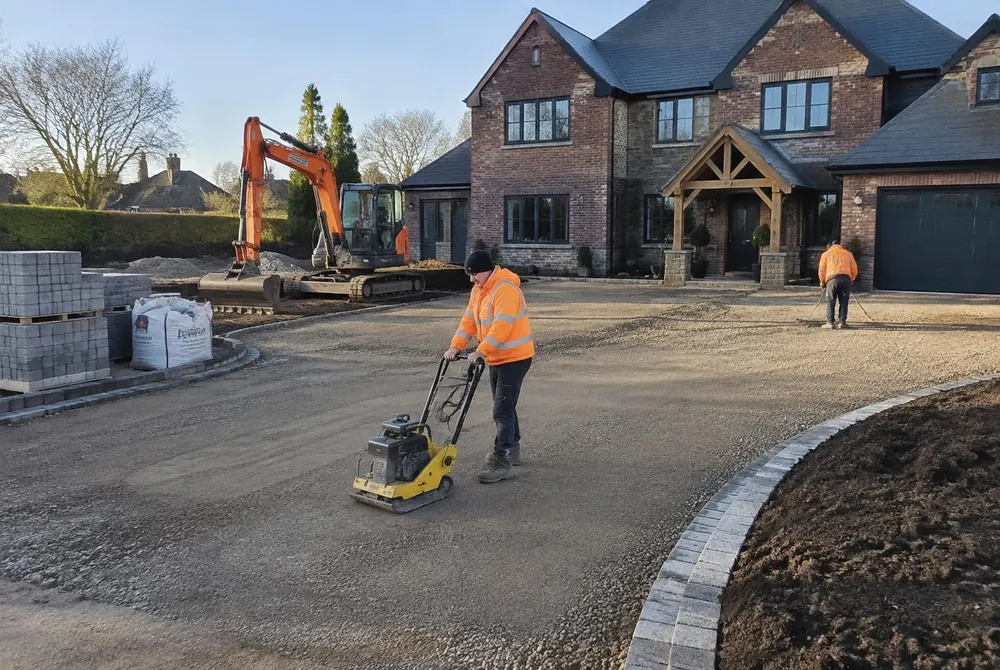
Falls, threshold channels and linear drains can intercept water before it reaches a garage, footway or road. The collected water still needs a lawful destination, which may be a tested soakaway, planted area or permeable construction within the property.
Permeable paving
Resin bound surfacing or permeable blocks only form a permeable system when the layers beneath also store and transmit water. Open-graded aggregate, separation layers and any outlet or attenuation detail must be designed as one build-up.
Part H and access
Building Regulations Part H covers drainage and waste disposal. Pipe gradients, bedding, protection, rodding access and chamber positions should support inspection and future maintenance rather than simply taking the shortest line.
Extensions and new builds
New structures can interrupt existing drains and add roof area. We coordinate diversions, new runs, service ducts and surface water measures with the foundation and floor design before concrete makes a route inaccessible.
Testing, records and handover
Before pricing a proposed infiltration system, the contributing areas and test requirements are agreed. Routes are checked against foundations, trees, other services and access for future maintenance. During construction, bedding, gradients and chamber positions are measured as work progresses rather than inferred after backfill. Required inspections and tests are arranged at the relevant stage. A simple record of routes, depths, chambers and discharge points is valuable when a garden or building changes later. It also prevents a future contractor from treating a surface-water pipe as foul drainage, or excavating blindly through a service crossing.
Who this suits
Planned drainage within a substantial driveway, extension, new build or complete garden scheme. Emergency unblocking and standalone CCTV surveys are not services we claim to provide.
- Surface and foul systems
- BRE 365 percolation testing
- Driveway SuDS design
Read before you commit
- What does a single storey extension cost, and why?
The parts of a ground floor extension that move the price, from the trench to the last light switch, and how to read a quotation sensibly.
- French drains: fixing a waterlogged garden properly
How a gravel filled land drain collects ground water, what makes one work for decades, and why the outlet matters more than the trench.
- Sleeper retaining walls: what works and what fails
When sleepers are a sensible way to hold back soil, how they should be fixed and drained, and when a masonry wall is the better long term answer.
- Percolation test and soakaway regulations in plain English
What happens in a percolation test, how the result sizes a soakaway, and the regulations building control will look at.
- Soakaway cost: what goes into the price
What changes the price of a new or replacement soakaway.
- Planning a realistic extension programme
A useful extension programme separates preparation, construction and the final checks needed before the space is ready to use.
- What building regulations does an extension need?
Building regulations cover how an extension is designed and constructed, independently of whether planning permission is required.
- Can a manhole or inspection chamber be moved?
Moving a private drain chamber is possible in many situations, but the replacement must preserve drainage performance and practical maintenance access.
- Which surveys does your building site need?
Find out what different investigations reveal and how to turn their findings into practical groundworks decisions.
- What should you check before buying a building plot?
Investigate the permissions, rights and physical constraints that decide whether a plot can support your intended home.
- The right sequence for landscaping a garden
Build your garden from the buried work upwards, leaving vulnerable surfaces and living materials until heavy construction has finished.
- How should a patio slope and where should rainwater go?
A dry, usable patio starts with measured levels and a drainage destination, not just a grate beside the doors.
- Where should household wastewater and rainwater go?
Foul and surface water are different flows, and keeping them separate helps a drainage system work as intended.
- How much does a new sewer connection cost?
The route to the sewer, its depth and the approval conditions usually matter more than the short length of pipe visible on a plan.
- Why does water stay on my driveway after rain?
Find the source and the missing drainage route before choosing a new surface or adding a channel.
- What will actually fix a garden that stays waterlogged?
The right remedy depends on whether rain is trapped at the surface, moving in from elsewhere or unable to drain through saturated ground.
- Septic tank soakaway: what system do you actually need?
Distinguish a foul drainage field from rainwater storage before deciding what needs investigating.
- Septic tank percolation test: evidence before excavation
Know what the investigator must establish before committing a corner of the plot to foul drainage.
Covering 30 miles of Colchester, including Colchester, Chelmsford, Ipswich, Braintree, Witham, Maldon, Sudbury, Clacton-on-Sea and Halstead.
Request a consultation
We take on new build contracts and substantial driveway and garden projects. Give us the detail and Matt will come back to you personally.
Questions we are asked
Drainage and Soakaways: your questions
What is the difference between foul and surface water?+
Foul water comes from toilets, sinks and appliances. Surface water comes from roofs and hard surfaces. They require separate consideration and should only connect where the approved drainage design permits it.
How is a soakaway sized?+
The design uses the area draining to it and an infiltration rate established by a percolation test, commonly following BRE 365. A crate selected without that information may fill faster than it empties.
Can clay soil take a soakaway?+
Sometimes infiltration is too slow for a conventional soakaway. Testing is necessary, after which attenuation, a different discharge route or another engineered solution may be considered.
Do permeable driveways need drainage?+
They still need a complete drainage design. The surface, open-graded base, subsoil and any overflow or attenuation provision must work together.
Do you unblock drains or offer CCTV surveys?+
No. We focus on constructing and replacing planned drainage for driveways, extensions, landscaping and new-build work.
Also worth reading
Other things we build
Demolition and Site Clearance
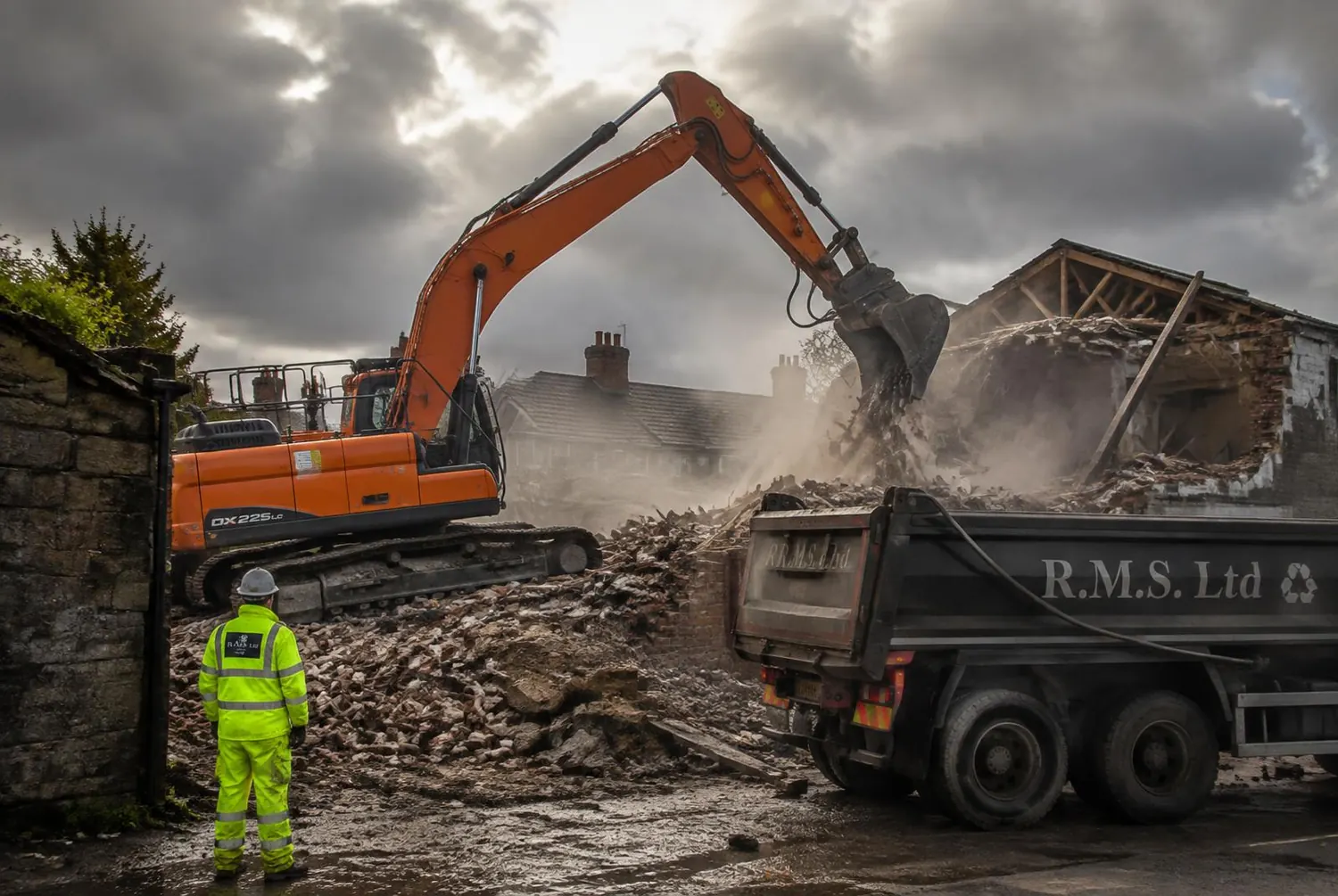
Controlled demolition and full clearance that hands over a plot ready for setting out, not a mess for someone else to sort.
Foundations and Groundworks
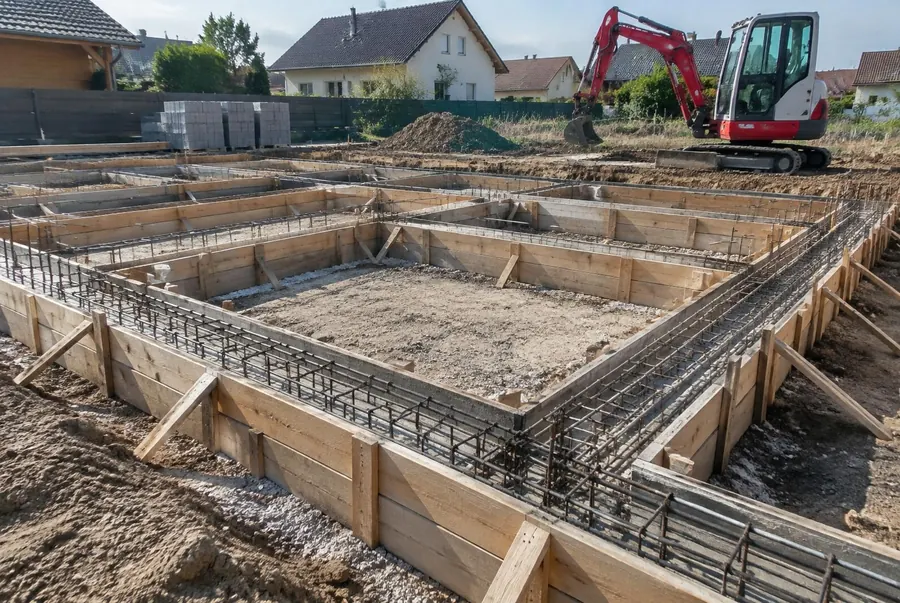
Dig, drainage and concrete set out to the engineer's drawings and signed off by building control without argument.
Extensions and New Builds
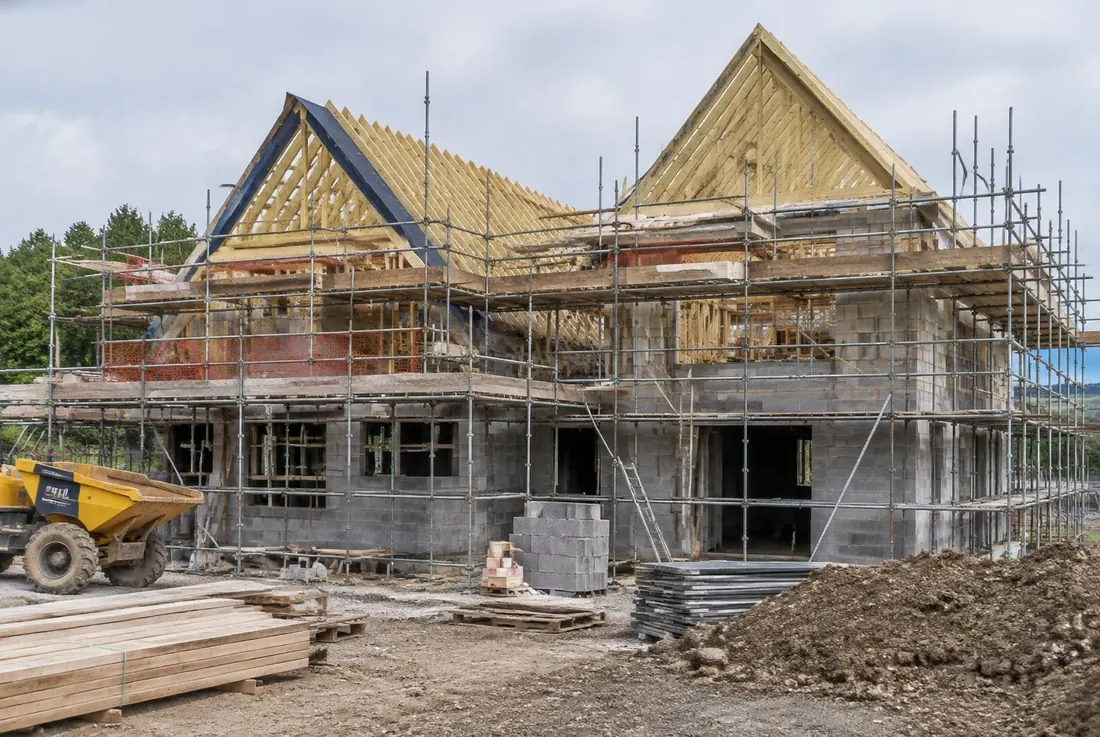
Full build packages from footings to finished shell and beyond. Extensions and new builds come with a 10-year guarantee.
Sewer Connections
Joining new foul drains to the water company's network.
Breaking Ground. Building Trust.
Planning a project worth doing once?
Tell us about the plot, the property and what you want the finished result to be. We will visit, survey and quote properly.
Ten year guarantee on extensions and new builds / 30 miles of Colchester / Substantial projects